
Describe the property
Send the location, symptoms, equipment and access details. State whether the work is a repair, replacement or planned project.
Need plumbing help in Aurora? Tell us about the leak, blocked drain, fixture or water heater. A responding provider will confirm coverage and availability before booking.
Get A Free QuoteCompare tank, tankless, and twin-tank capacity against household demand, suite use, fuel, venting, and mechanical-room access before choosing a replacement.
View scopeRecord recurring blockages and pipe material; compare sectional cleaning or hydro-jetting, root cutting, and post-clearance camera inspection to guide next steps.
View scopeDocument pipe material, leak patterns, and finishes to protect; compare partial and whole-home routes for galvanized, aging copper, or legacy plastic piping.
View scopeCheck fixture dimensions, supplies, drainage, and access for period-style bathrooms, multi-outlet ensuites, toilets, and everyday replacements.
View scopePhotograph signs of moisture and note radiant heating or private service lines; compare thermal, acoustic, and isolation testing before opening finishes.
View scopeCompare pump capacity, lift, discharge, battery backup, and alarms against observed inflow; assess backwater valves separately against sewer layout.
View scopeUse water-test results to compare metered softeners, well treatment stages, and appliance hardness requirements before selecting equipment.
View scopeWater treatment in Aurora should be selected from test results, not assumptions about a municipal connection or private well. If the property uses municipal water, test or verify the hardness relevant to appliance and softener selection. For a private well, request appropriate testing for hardness, iron, and other concerns before choosing treatment. Share the results, household water use, and existing equipment details when comparing a metered softener, filtration, or a coordinated well system. Confirm any appliance requirements that depend on water hardness.
Compare tank, tankless, and twin-tank capacity against household demand, suite use, fuel, venting, and mechanical-room access before choosing a replacement. Record recurring blockages and pipe material; compare sectional cleaning or hydro-jetting, root cutting, and post-clearance camera inspection to guide next steps. Document pipe material, leak patterns, and finishes to protect; compare partial and whole-home routes for galvanized, aging copper, or legacy plastic piping.
Check fixture dimensions, supplies, drainage, and access for period-style bathrooms, multi-outlet ensuites, toilets, and everyday replacements. Photograph signs of moisture and note radiant heating or private service lines; compare thermal, acoustic, and isolation testing before opening finishes.
Compare pump capacity, lift, discharge, battery backup, and alarms against observed inflow; assess backwater valves separately against sewer layout. Use water-test results to compare metered softeners, well treatment stages, and appliance hardness requirements before selecting equipment.
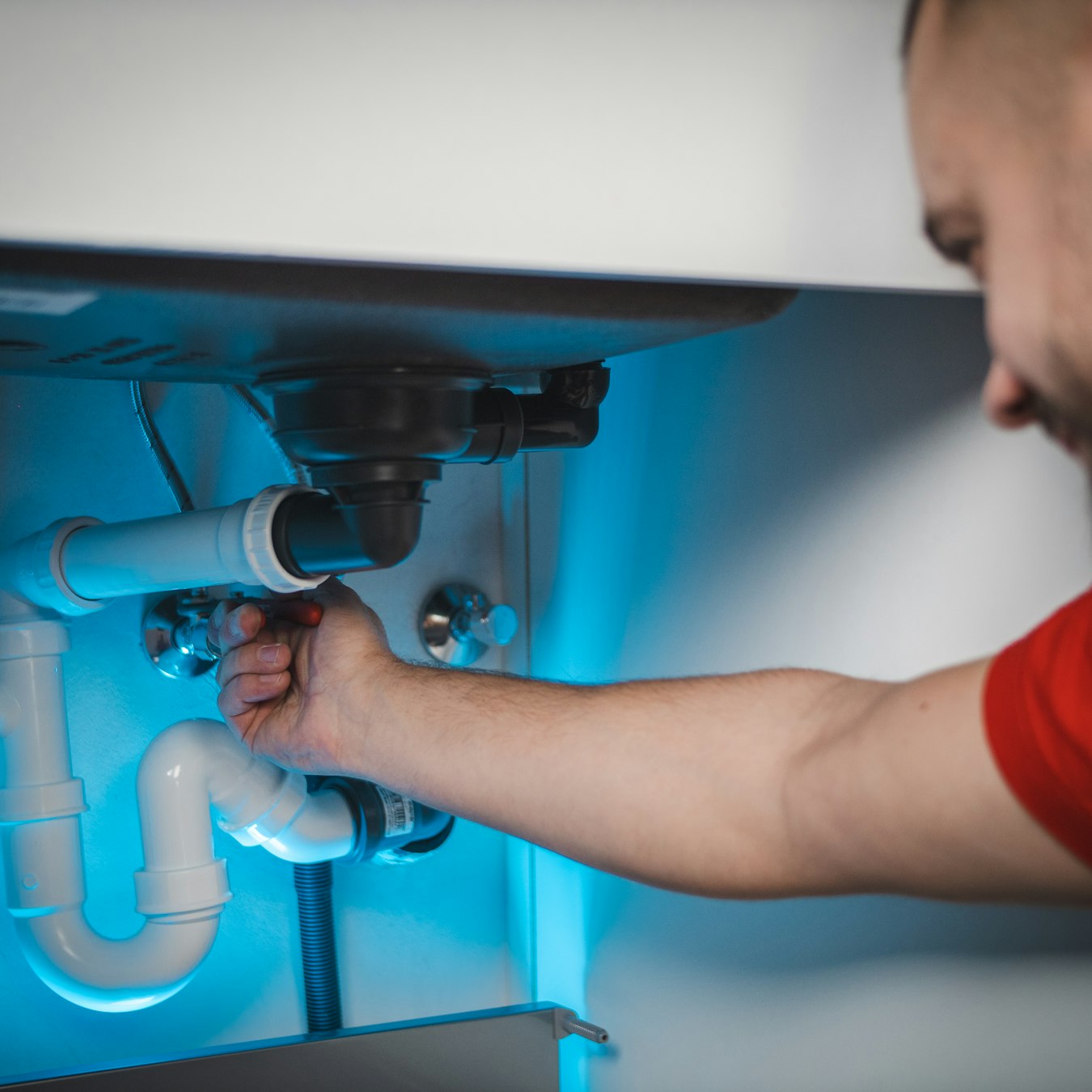
For a recurring drain problem in Aurora, note which fixtures are affected, how quickly water backs up, and whether the issue returns after clearing. If a property has older no-hub cast-iron, clay, or other aging drain piping, scale, joint movement, roots, or a narrowed passage may influence the appropriate method. Share previous camera footage or repair records, if available. A camera inspection after clearing can help distinguish a maintenance need from pipe damage that may require a separate repair decision.
Explore this serviceSend the location, symptoms, equipment and access details. State whether the work is a repair, replacement or planned project.
The request is reviewed so the responding provider can clarify the work, property access and service coverage.
Agree the provider identity, qualifications, written scope, pricing and visit window directly. Sending a form does not confirm an appointment.
If the home uses a private well, obtain test results before selecting equipment for hardness, iron, or microbial concerns. Ask how each proposed stage works with the others, including any filtration or UV disinfection, and what maintenance it requires. Testing identifies which concerns need treatment and helps avoid adding equipment that is not supported by the results.
List the number of occupants and note when showers, laundry, and dishwashing happen together. If one heater serves both a main home and basement suite, compare that peak demand with the tank's recovery rate or a tankless unit's output. This information helps determine whether one larger unit or separate capacity should be considered.
Mark the rooms and surfaces that need protection, including original plaster, hardwood, and millwork. Ask where new pipe routes and access openings are proposed, and whether closets or other less visible locations are feasible. The chosen route affects the amount of finish disturbance and the repair work needed after piping is installed.
If a property has a long private service from a street connection or well, gather any available route drawings and note visible entry and shutoff points. Ask how the full run will be isolated and tested, and how a suspected failure location will be confirmed. The route, material, and access conditions affect whether a limited section or a longer length needs investigation.
If a basement depends on a sump pump, check what happens during a power failure and whether a high-water alarm is present. Compare a battery-backed secondary pump, its expected operating limits, and how it will be tested. Outage duration, pit inflow, and battery condition affect how much backup protection the proposed arrangement can provide.
Use the form to describe the property, the symptoms and the work requested. For Newmarket, Oak Ridges, King City, Sharon, include your postal code so local coverage can be checked.